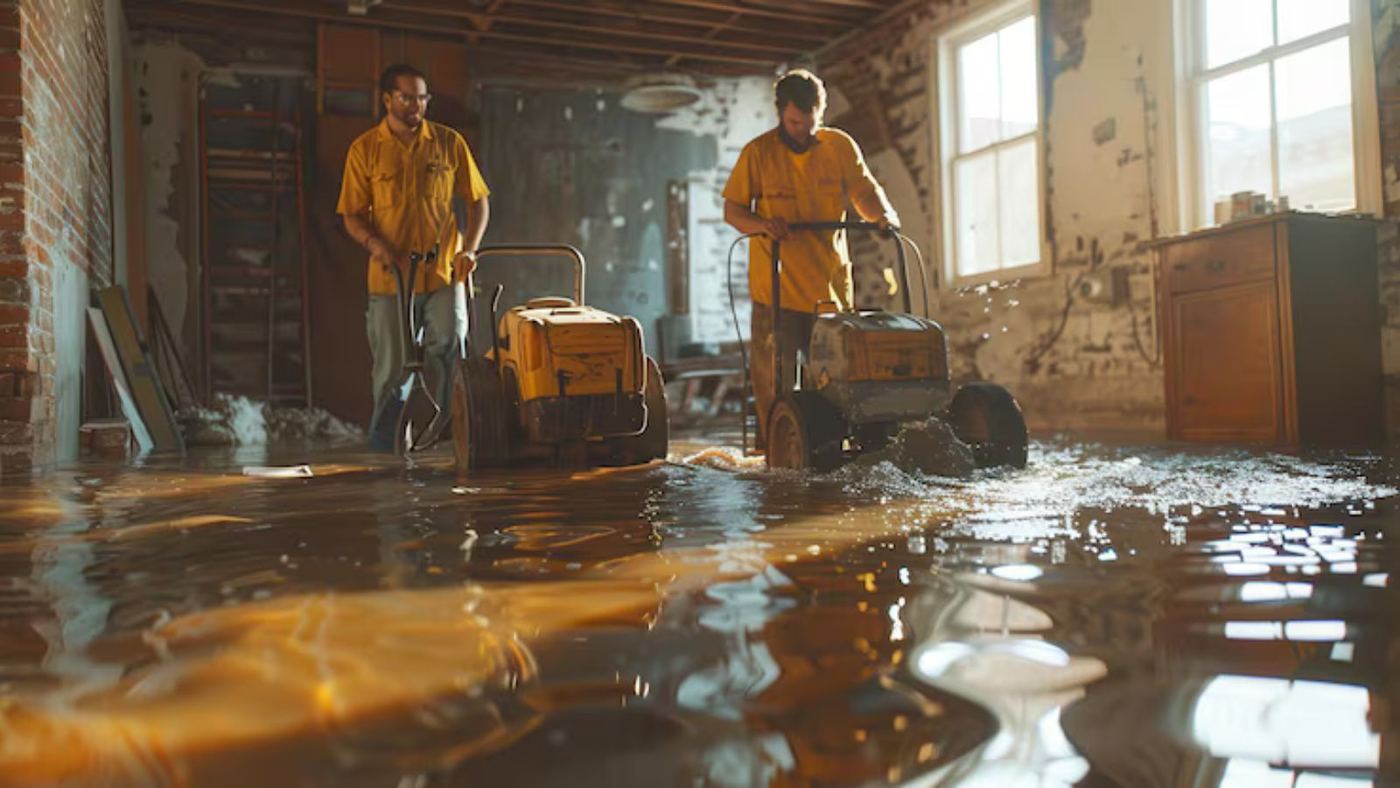
First 48 hours: what cleanup involves
Cleanup is the stage where the home goes from wet to clean. Crews remove soaked carpet pad, ruined drywall and debris, then wash and disinfect what stays. Anything that held water for long gets a closer look, because wet porous materials hold odor and bacteria.
Cleanup overlaps with mitigation, since removal of wet materials helps the drying process. If you have not yet had a moisture check, mention that when you call so the visit covers both. Evening and weekend calls are routine, and a same-day visit is offered when a crew is free.
What stays and what goes
Not every wet item is lost, and not every dry-looking one is safe. Crews decide by material and by water category, using the standard that guides this trade.
Usually saved
Hard surfaces such as sealed tile, concrete, metal and solid wood furniture can often be cleaned and dried.
Often removed
Carpet pad, soaked insulation, fiberboard cabinets and drywall that stayed wet are common removals.
Depends on the water
Carpet and rugs can sometimes be cleaned after clean water but are usually discarded after sewage or floodwater.
Personal belongings
Photographs, documents and keepsakes can sometimes be dried or cleaned. Ask before throwing them out.
A typical cleanup sequence
The sequence below is the usual order. Your crew may change it if a safety issue or a delicate material calls for it.
- Walk-through and photos. The crew documents the damage and agrees on what is being removed before any cutting starts.
- Contents sorting. Belongings are separated into dry, cleanable and discard groups, with a list you can share with your insurer.
- Removal. Soaked pad, flooring and drywall are cut out, bagged and carried to a debris container or the crew vehicle.
- Cleaning and sanitizing. Remaining surfaces are washed and treated with an antimicrobial suited to the material and water category.
- Odor control. Air scrubbers or other equipment are used when smells linger after the wet materials are gone.
Wet carpet, wet drywall or a smell you cannot place?
Call the 24/7 line to arrange a cleanup visit.
When cleanup becomes an emergency
Cleanup is an emergency when the water is not clean. A sewage backup, a toilet overflow with solids, or floodwater from outside carries bacteria and should be handled by a crew in protective gear. Stay out of the water, keep children and pets away and avoid touching wet surfaces with bare hands.
If water has reached an outlet, a light fixture or an appliance, leave the electrical side alone. Call the utility or 911 for any electrical or gas risk before you call the restoration line. Once the area is safe, the dispatcher can send a crew on the same day when one is available.
Cleanup by water source
The source of the water decides how aggressive the cleanup has to be. This table is a quick guide, not a diagnosis. The crew confirms the category on site.
| Source | Cleanup approach | Common removals |
|---|---|---|
| Supply line or appliance leak. | Dry in place when caught early, clean surfaces. | Wet pad, baseboards and low drywall if saturated. |
| Roof or window leak. | Check ceiling cavities and insulation, then dry and clean. | Stained ceiling drywall, wet insulation. |
| Drain or sewage backup. | Protective gear, full removal of affected porous materials, sanitizing. | Carpet, pad, drywall, cabinet bases. |
| Storm runoff entering a ground floor. | Remove silt and debris, sanitize, dry. | Pad, drywall, soaked contents. |
What sets the price of cleanup
No honest number can come from a web page, because the scope is decided in your home. These factors drive the final price.
Amount of material removed
More carpet, drywall and cabinetry removed means more labor and disposal.
Water category
Sewage and floodwater cleanup needs more protection and more cleaning steps.
Contents handling
Sorting, packing and cleaning belongings adds time and is itemized.
Odor treatment
Persistent smells may need extra equipment or a second visit.
What to tell your insurer
Many policies cover sudden and accidental water damage and exclude flood and gradual leaks. Read the exclusions in your policy, because the California Department of Insurance notes that flood and wear and tear are among the losses usually excluded. Ask your insurer which category your event fits.
Keep a simple list of what was removed, with photos, so your claim records match your cleanup records. Questions about price or scope are welcome on the 24/7 line at (424) 550-5662, and the crew explains scope and price before work starts.
Culver City notes that affect cleanup
If a leak led to damaged shower walls, termite or dry rot repair, or wall replacement, Culver City's Building Safety Division lists those among repairs that need a permit. Minor sheetrock repair and painting are listed as not needing one. Confirm with the division at (310) 253-5800, because the list is not exhaustive.
Cleanup also produces a lot of debris. Ask the crew where bags and removed materials will be staged and hauled, so the plan fits your driveway, your building and your neighbors.
Water damage cleanup questions from Culver City
They overlap. Mitigation focuses on stopping the spread and drying, while cleanup focuses on removing ruined materials, sanitizing and deodorizing. Most jobs include both, and the crew lays out which steps apply.
Yes. The 24/7 line answers at night, on weekends and on holidays. Cleanup visits are scheduled the same day when a crew is available, and the dispatcher gives you plain information about timing.
It depends on the water category and how long the carpet stayed wet. Carpet that got clean water and is caught quickly can sometimes be cleaned and dried. Carpet exposed to sewage or floodwater is normally discarded.
Smell usually means something is still wet. The crew finds and removes the wet source first, then uses cleaning and air treatment. Air fresheners cover the smell without fixing the cause.
Not without telling you. Items are sorted into keep, clean and discard groups, and you can review the list. Documents, photographs and electronics are set aside for separate handling.
Cleanup stops where rebuilding begins. See the water damage repair page for drywall, flooring and paint after the structure is dry.