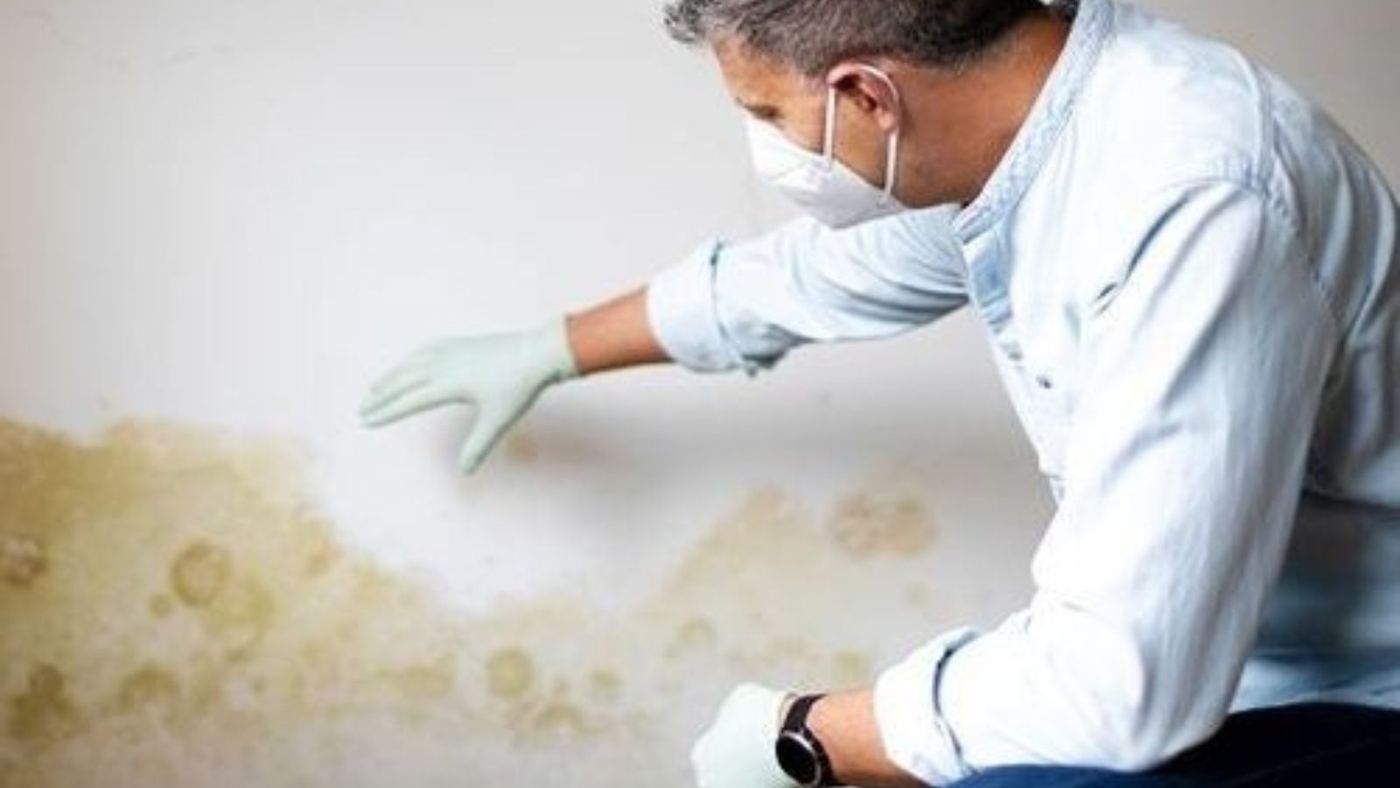
How mold follows water
Mold spores are everywhere. They need moisture, a food source such as drywall paper or wood and time to grow. Water damage supplies the moisture, and building materials supply the food.
That is why a flood or a long-running leak raises the risk, and why a one-time spill that dries quickly usually does not cause trouble. The problem is not the water. It is how long the water stays.
The first days: what to do
This sequence cuts the risk in most cases.
- Stop the source. Fix or shut off the leak so no new water arrives.
- Remove standing water. Pumps and extraction pull the bulk of it out within hours.
- Dry wet materials. Dehumidifiers and air movers dry carpet, drywall and wood. Items that cannot be dried are removed.
- Check hidden areas. Moisture meters check wall cavities and subfloors.
- Watch for signs. Smell, staining and visible growth can appear days later.
Signs to watch for after a leak
None of these proves mold, but each is a reason to ask for an inspection.
| Sign | What it can mean | Next step |
|---|---|---|
| Musty smell that returns. | Moisture still present. | Moisture check |
| Dark spots on walls or ceilings. | Surface growth or staining. | Inspection or testing. |
| Bubbled or peeling paint. | Water behind the surface. | Open and inspect. |
| Warped baseboards or flooring. | Moisture in wood. | Check readings |
| Condensation on windows or cold surfaces. | High humidity | Dehumidify and ventilate. |
Not sure if materials dried in time?
Call dispatch and ask about a moisture check.
When to call for inspection or remediation
Call if you can see growth, if a smell persists after the area is dry or if materials stayed wet beyond two days. Do not wait for the problem to grow. If water is still present, call the 24/7 line first and ask for water mitigation.
Mold remediation removes affected materials and cleans the area. Mold remediation explains containment, removal, cleaning and drying. Testing is a separate service and can include independent clearance after the work.
What not to do
Do not paint over mold, and do not scrub dry mold, which can spread spores. Do not rely on bleach alone, and do not run a fan across growth. Keep the area closed while you arrange help.
Health questions belong to a physician. A contractor cannot diagnose or promise outcomes, and mold advice online is no substitute for medical advice.
Insurance and mold
Coverage for mold depends on its cause. Many policies cover mold that follows a covered sudden loss, and many exclude mold from long-term moisture. Flood insurance typically does not cover mold or mildew damage that could have been avoided, according to the California Department of Insurance.
Document the water event, the drying steps and the dates. Records show that you acted quickly, and they help your insurer understand the timeline.
A two-week watch plan after a leak
Mold can start in the first days, so keep watching after the room feels dry. In the first week, run a dehumidifier, keep air moving and check the area daily for smells or spots. In the second week, check the corners, the back of baseboards and the underside of furniture.
If you see growth, take photos, avoid disturbing it and call for inspection. If everything stays clean and dry, you have likely caught it in time, but a moisture reading is the only way to confirm that hidden materials are dry.
Where mold likes to start
These are common spots after a leak.
| Place | Why | What to check |
|---|---|---|
| Behind baseboards | Water wicks up from the floor. | Gaps, staining or soft trim. |
| Under carpet pad. | The pad holds moisture. | Damp smell or stained backing. |
| Inside wall cavities. | Insulation stays wet. | Moisture reading at the wall. |
| Behind furniture | Little airflow | Dark spots on the wall surface. |
Culver City: where hidden moisture shows up
The city's Building Safety Division lists shower wall repair or enclosures among work that needs a permit, which is a reminder that shower surrounds are a common place for water to hide. If you find mold behind a shower wall, ask the division at (310) 253-5800 about permits before the wall is opened.
For storm leaks near the coast, see the Marina del Rey page, and for the full coverage list see the service areas page.
Related pages
Read more about mold remediation and water mitigation, see how dispatch works in Marina del Rey, or check the service areas page for coverage.
Talk to dispatch about your situation
Call the 24/7 line and describe what you see. Scope and price are explained before work starts.
Mold after water damage: questions from Culver City
The EPA says to dry water-damaged areas and items within 24 to 48 hours to prevent mold growth. Growth depends on materials, moisture and time, so start quickly.
No. It can grow behind walls, under flooring and in insulation. A moisture check or inspection finds what you cannot see.
Testing answers a different question from removal. Ask a crew or an independent tester what fits your situation.
Bleach can discolor a surface, but it does not fix moisture or remove growth inside materials. Use proper methods.
Keep the area closed, stop the moisture and ask the Building Safety Division at (310) 253-5800 about permit needs before opening the wall.