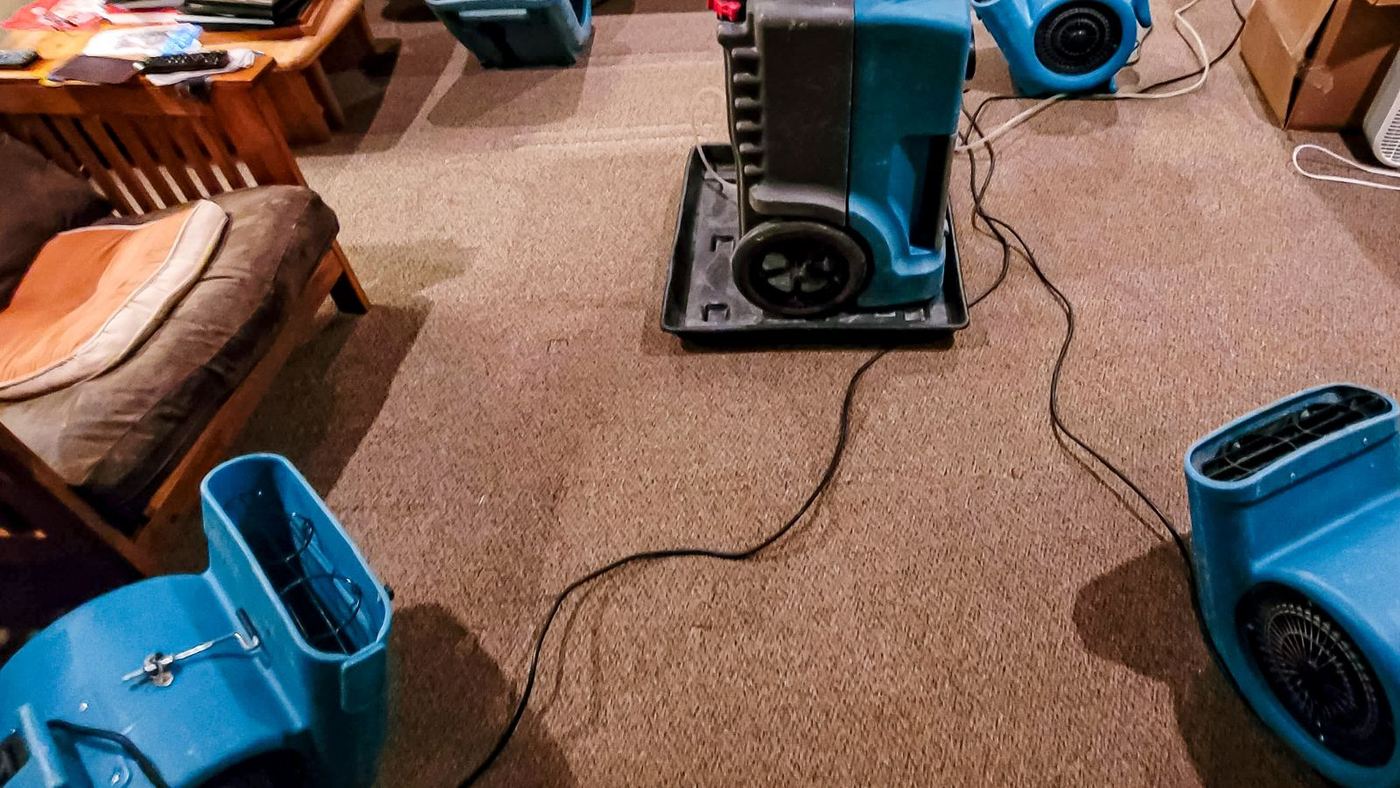
What a typical drying timeline looks like
A drying job moves through phases. The first day is about removing water and setting equipment. The next few days are about steady drying with readings taken each visit. The last phase is confirming that every material reached its dry standard.
That structure matters more than any number of days. A crew that says a job takes exactly three days without reading anything is guessing. A crew that explains the readings and the plan is giving you information you can check.
Typical drying behavior by material
This table shows relative speed, not promises. Conditions and water category change the picture.
| Material | Drying behavior | Why |
|---|---|---|
| Carpet | Dries relatively quickly if the pad is removed. | Fibers release water to moving air. |
| Carpet pad | Often removed rather than dried. | It holds water and is cheap to replace. |
| Drywall | Moderate | Paper facing and gypsum core hold moisture. |
| Hardwood flooring | Slow | Dense and sealed on the top. |
| Plaster and concrete. | Slow | They hold water deep inside. |
| Framing lumber | Slow | Moisture leaves from the surface inward. |
What slows drying
These are the usual reasons a job takes longer than expected.
- A leak source that was not fully stopped.
- Water that soaked into dense materials such as plaster or hardwood.
- Water that sat for days before equipment arrived.
- Wet insulation or closed cavities that air cannot reach.
- Poor equipment placement or too little equipment for the space.
- High indoor humidity that the dehumidifiers must work against.
Want drying to start now?
Call the 24/7 line and ask for a crew.
How crews measure when a job is dry
Moisture meters read wood and drywall, and thermal cameras show cool, wet spots. The crew sets a dry standard from readings in unaffected parts of the same building, then compares readings in the affected areas each visit.
When readings reach the standard, equipment is removed. If you want to be sure, ask for the log and ask to see the meter. Water mitigation explains this process in detail, and a drying log is a good record to keep for your insurer.
What you can do to help drying
Keep doors and cabinet doors open, clear furniture from walls and avoid turning off equipment because it is loud. Do not run the building's heating hard to speed things up, because heat can warp materials and slow dehumidifiers.
Tell the crew about any new wet spots. Water can show up days later as it travels through walls. A quick call is better than waiting, and the dispatch line is open 24/7.
Why speed matters for mold
Mold needs moisture. The EPA states that the key to mold control is moisture control, and that water-damaged areas and items should be dried within 24 to 48 hours. If materials stay wet beyond that, the risk of growth rises and the job can become a mold remediation project as well.
That does not mean every wet home grows mold. It means that early action is cheap protection, and late action is expensive.
Safety while drying equipment runs
Fans and dehumidifiers run for days, so a few habits matter.
- Plug equipment into outlets that are dry and on a working circuit.
- Keep cords out of walkways and away from standing water.
- Do not cover or move equipment the crew has placed.
- Keep children and pets away from fans and hot exhaust.
- Call the crew if equipment trips a breaker or makes an unusual noise.
Reading a drying log
A drying log lists the date, the room, the temperature and humidity, and a moisture reading at several marked spots. The numbers should fall day after day. If one spot stalls, the crew may reposition a fan, add a dehumidifier or open a wall cavity to reach trapped moisture.
Ask for a copy of the log. It is the clearest evidence of when the structure reached dry standards, and it supports your insurance records if there is ever a dispute about how long equipment ran.
Signs a job is not drying
Tell the crew if you notice any of these.
- A musty smell that grows rather than fades.
- Condensation on windows near the drying area.
- Baseboards or cabinets that still feel cool and damp.
- Readings that stay flat for two days.
- Equipment that is not running or has been moved.
A Culver City example: multi-day storms
The city's February 2024 storm notice described heavy to very heavy rain forecast from Sunday at noon through Tuesday night, with peak rates that could reach half an inch to one inch per hour. A storm that long keeps roofs, windows and drains under stress for days, so leaks can show up late.
If a ceiling stain or a wet wall appears after a long rain, treat it as new damage and start the clock then. Call dispatch, and see emergency water removal if water is standing. The same storm notice listed Public Works Maintenance Operations at (310) 253-6420.
Related pages
Read more about water mitigation and emergency water removal, see how dispatch works in Marina del Rey, or check the service areas page for coverage.
Talk to dispatch about your situation
Call the 24/7 line and describe what you see. Scope and price are explained before work starts.
Drying time questions from Culver City
Several days is typical, though it varies with materials, depth and equipment. The crew confirms with readings, not a fixed number of days.
Fans help with surface moisture. A professional setup with dehumidifiers and air movers is far more effective, especially inside walls and floors.
Dense materials release moisture slowly. Equipment stays until readings show the material is dry.
Yes. Air movers and dehumidifiers do the work. Turning them off slows the job and raises the mold risk.
Call dispatch again. New water can undo drying progress, and the crew adjusts the plan.