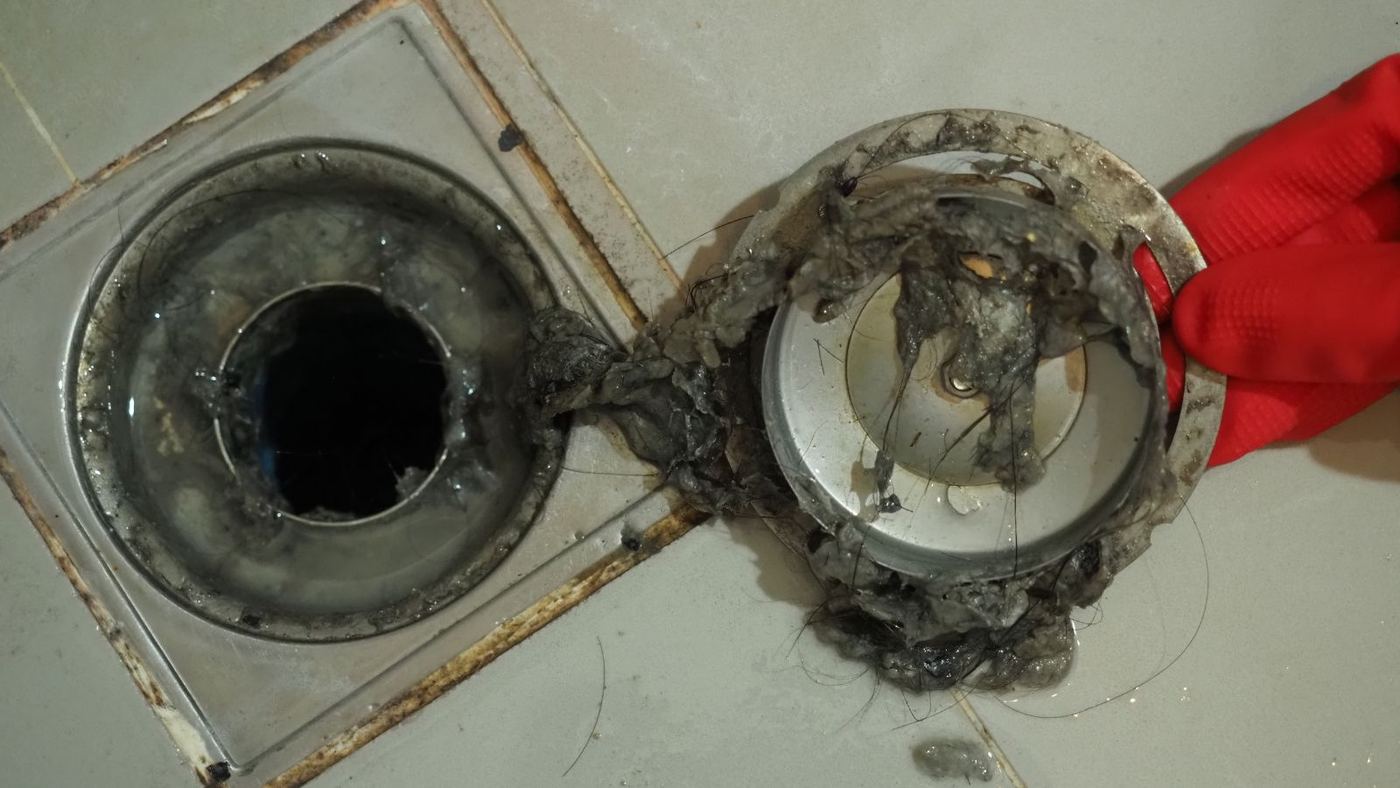
What a sewage backup is and where it comes from
A sewage backup happens when wastewater cannot leave the building and returns through the lowest fixture, usually a floor drain, a shower, a tub or a toilet. A blockage in the building's own drain, a root intrusion or a problem further along the line can cause it.
Who is responsible for the blockage depends on where it sits. If you are unsure, ask a plumber to scope the line and ask your property manager or the city's public works contact before assuming. We do not diagnose the line. We clean what came out of it.
Water categories and what they mean
Industry practice sorts water by contamination level.
| Category | Source | Handling |
|---|---|---|
| Clean water | A broken supply line. | Extract and dry. |
| Greywater | Washing machine or dishwasher discharge. | Extract, clean and dry with care. |
| Black water | Sewage or floodwater. | Extract, remove porous materials and disinfect. |
| Unknown source | Water you cannot trace. | Treat as contaminated until proven otherwise. |
| Aged water | Water that has sat for days. | Often moves up a category. |
First hour safety steps for a sewage backup
Sewage is not a do-it-yourself cleanup.
- Keep children, pets and anyone with a weak immune system out of the area.
- Stop running water, flushing toilets and using washers until the line is cleared.
- Do not walk through the water barefoot or touch it without waterproof gloves and boots.
- Turn off power to the area if water is near outlets.
- Call a plumber for the blockage and call dispatch for the cleanup.
Health guidance and why porous materials go
The EPA's guidance for flooded homes treats sewage and floodwater as hazardous to health and says porous materials soaked by contaminated water are usually discarded rather than cleaned. That includes carpet, pad, insulation and wet drywall.
Hard surfaces can be cleaned and disinfected, and the crew separates what can be saved from what cannot. The Building Safety Division's permit list says interior clean up needs no permit, but the plumbing repair might, so ask your plumber.
How the cleanup runs after a sewage backup
The crew works with protective gear and containment.
- Contain and protect. The crew wears protective gear and seals the area so contamination does not spread to clean rooms.
- Extract contaminated water. Pumps and wet vacuums remove the water, and the waste is bagged for disposal.
- Remove porous materials. Carpet, pad, insulation and wet board are cut out and removed.
- Clean and disinfect. Hard surfaces and framing are cleaned and treated with disinfectant.
- Dry and verify. Air movers and dehumidifiers run until moisture readings are normal.
Sewage still coming up?
Call the 24/7 line and stay out of the room.
What changes the cost of a sewage cleanup
Black water jobs cost more than clean water jobs because of protective gear, disposal and the amount of material removed. The depth of the water, the floor type and how long it sat all change the scope.
The crew explains the scope and price on site before work begins.
Insurance and sewage backup
Many homeowner policies exclude sewer or drain backup unless an endorsement was added. Ask your insurer whether you have one before cleanup, and take photos of everything before removal.
Renters and condo owners should also tell the landlord or association right away, since the cause may sit in a shared line.
Mistakes to avoid and prevention
These habits make backups worse or more dangerous.
- Using a household wet vacuum on sewage.
- Keeping wet carpet because it looks clean once dry.
- Pouring grease down drains.
- Flushing wipes labeled as flushable.
- Ignoring a slow drain that returns after clearing.
Coverage and related pages
Crews take sewage calls across Culver City and in Marina del Rey. To check that your address is covered, open the service areas page.
For clean water events, see emergency water removal. For standards, ANSI/IICRC S500 is a reference many companies follow, and you can ask whether a crew uses it.
Sewage backup questions from Culver City
Yes. Dispatch answers all night as well, and a crew can be sent the same day when one is open.
It is not recommended. Sewage carries disease risk, and porous materials usually must be removed.
Almost always. Carpet and pad soaked by sewage are normally discarded.
It depends on where the blockage sits. A plumber can locate it, and a landlord or association may be involved.
Often only with a sewer backup endorsement. Ask your insurer.