How common basements are here and what counts
Be honest about the local picture. True basements are not typical for Culver City houses, and many properties instead have a garage, a sunken room, a lower level in a hillside home or a subterranean parking level in a larger building. This page covers all of those below-grade spaces.
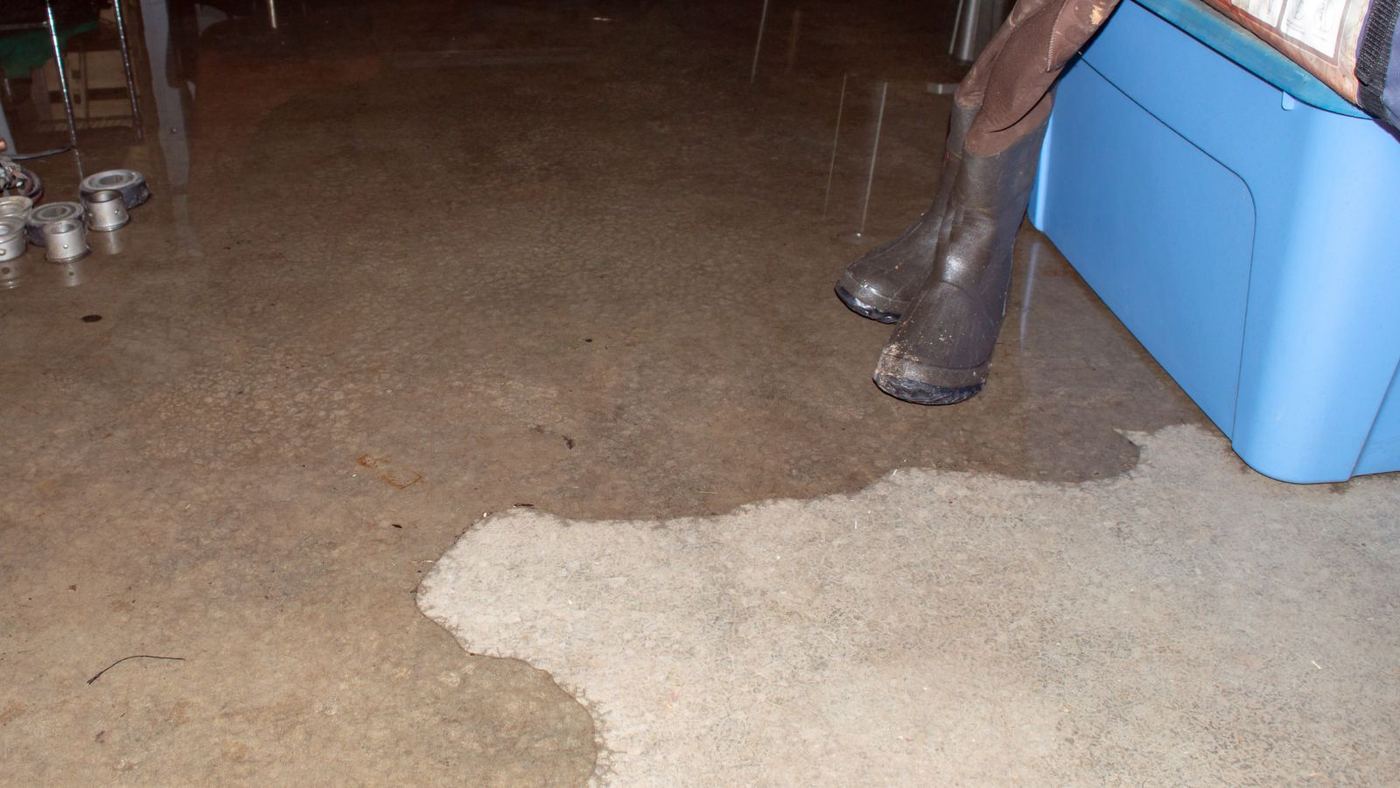
Water gets in through floor drains, wall cracks, door wells, sump failures and plumbing leaks, and in a heavy rain a low room can fill from surface runoff. Because below-grade water has nowhere to go, it pools until it is pumped out.
Where below-grade water comes from
The source decides the cleanup method.
| Source | What you notice | What it means |
|---|---|---|
| Floor drain backup. | Gray or foul water at the drain. | Possible sewage and a plumber is needed. |
| Wall or floor seepage. | Damp patches after rain. | Groundwater pressure |
| Window well or door well flooding. | Water at the lowest opening. | Runoff has pooled outside. |
| Sump pump failure. | Standing water with a silent pump. | Pump failed or lost power. |
| Plumbing leak above. | Drips from ceiling pipes. | Supply or drain failure. |
First hour safety steps for a flooded below-grade room
Deep water and electricity are a deadly mix.
- Do not enter a flooded room if the water may touch outlets, a panel or appliances.
- Turn off power at the main panel only if the panel is dry and you can reach it safely.
- Never carry gasoline or run a gas engine in a closed space.
- Keep children and pets out, because water can hide steps and drop-offs.
- Call dispatch and describe the depth and the source.
Mold and what the EPA advises
The EPA's mold guidance says mold can be avoided by drying wet materials within 24 to 48 hours. Below-grade rooms often have concrete and poor airflow, so this window is hard to meet without equipment.
For that reason pumping and dehumidifying are done together. A fan alone does little in a low room that holds humid air.
How below-grade cleanup runs
Pumping comes first, then drying.
- Make it safe. The crew checks power, air quality and footing before entering.
- Pump the water out. Submersible pumps lower the water level in stages, which helps protect walls from sudden pressure changes.
- Remove wet contents. Soaked carpet, boxes, insulation and drywall are removed.
- Clean and disinfect. Floors and walls are cleaned, and contaminated water gets disinfectant.
- Dry and monitor. Dehumidifiers and air movers run until readings are normal.
Low room flooded?
Call the 24/7 line and describe the depth.
What changes the cost
The depth of water, the area, the contamination level and the contents all set the scope. Concrete dries slowly, and finished rooms with drywall and flooring add removal work.
Scope and price are explained on site after the depth and source are known.
Insurance and below-grade flooding
Insurers treat groundwater and surface water differently from plumbing failure. Standard homeowner policies often exclude flooding from outside and may also exclude sewer backup unless an endorsement was added.
Read your policy before cleanup, take photographs and ask your insurer how it classifies the cause.
Mistakes to avoid and prevention
Most below-grade losses grow because of delay.
- Entering the water before power is off.
- Storing boxes directly on a slab floor.
- Skipping a sump pump test before rainy weather.
- Letting a drain stay clogged.
- Leaving wet drywall in place.
Coverage and related pages
Below-grade calls come from Culver City neighborhoods and from Marina del Rey. Open the service areas page for coverage details.
For storm runoff, see storm water damage. For large losses, see flood damage restoration. Many companies follow ANSI/IICRC S500 as a reference.
Basement and below-grade questions from Culver City
Yes. Dispatch answers at all hours, and a same-day pumping visit is planned when a crew is free.
Not typically, but garages, lower levels and subterranean parking exist, and this page covers them.
Not if power is on or the water is deep. A crew pumps in stages.
It can if materials stay wet beyond 24 to 48 hours, according to the EPA.
Often not under standard policies. Ask your insurer about flood coverage.