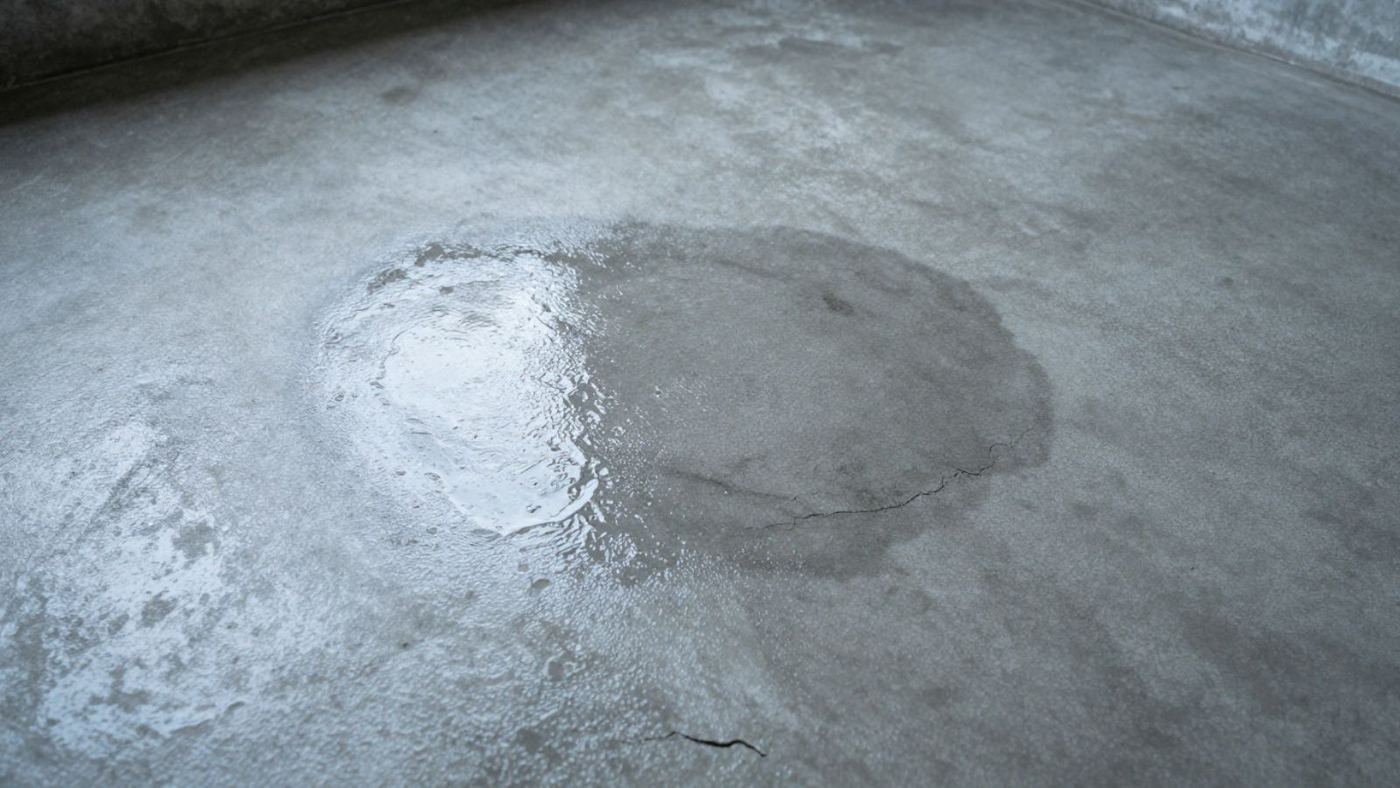
How common slab leaks are in Culver City
Be realistic about the odds. Slab leaks happen only in homes built on a concrete slab with pipes beneath or inside it, and not every Culver City home is built that way. Many older houses sit on raised foundations, and many newer buildings have subterranean parking and concrete podiums.
In slab homes, supply pipes under the floor can corrode or rub against concrete over decades. The city's Multi-Jurisdictional Hazard Mitigation Plan reports that about 87 percent of Culver City's housing units predate 1980, using 2013 housing data, so aging plumbing is a reasonable concern in older slab construction.
Signs of a slab leak
None of these proves a slab leak, but several together are a reason to test.
| Sign | Why it happens | Next step |
|---|---|---|
| Water meter moves with everything off. | Water is leaving the system somewhere. | Do the meter test and call a plumber. |
| Warm spots on the floor. | A hot water line is leaking under the slab. | Mark the spot and call a plumber. |
| Damp carpet or lifted flooring. | Moisture rising through the slab. | Call dispatch for a moisture reading. |
| Sound of running water at night. | A pressurized line is leaking. | Close the main and listen again. |
| Higher water bills with no change in use. | A continuous leak. | Check the meter and compare bills. |
First hour safety steps for a slab leak
Slab leaks are slower than burst pipes, but safety still comes first.
- Close the main water valve if water is visible or the floor is wet.
- Turn off power to rooms where flooring or baseboards are damp.
- Keep children and pets off wet or warm patches of floor.
- Photograph the damp areas and the water meter reading.
- Call a leak detection plumber and dispatch for the moisture.
The meter test and who owns the leak
Golden State Water, which serves Culver City, says you can check for a leak by turning off all water use and watching the meter. If it keeps moving, you likely have a leak. The utility also says its crews maintain lines only up to the meter, so a leak beyond it is yours to repair.
The Building Safety Division's permit list names new, replaced or extended water piping, and water service, as permit items, while stopping leaks without replacing pipe needs none. A plumber can explain which applies if a line must be rerouted.
How the cleanup runs
The plumber fixes the pipe, and we handle the moisture the leak left behind.
- Plan around the repair. The crew coordinates with the plumber so access to the slab and flooring is not blocked.
- Check moisture. Meters and a thermal camera show wet flooring, baseboard and the base of walls.
- Remove wet finishes. Carpet, pad and flooring that cannot dry are lifted so the slab can release moisture.
- Dry the slab and cavities. Dehumidifiers and air movers run, because concrete dries slowly and readings guide the schedule.
- Verify before rebuild. Final readings confirm the area is dry before new flooring goes in.
Floor damp and the source unclear?
Call the 24/7 line and tell dispatch about the damp floor.
What changes the cost of slab leak cleanup
Concrete holds water, so drying time is often longer than for a wood subfloor. The flooring on top matters as well, since tile may be salvageable while engineered wood or laminate may not.
The area of wet floor, the number of days of equipment and the extent of baseboard and drywall removal set the scope. The price is set on site once the readings are in.
Insurance and slab leaks
Slab leaks raise tricky coverage questions. Many policies cover resulting damage from a sudden leak but exclude the cost of reaching or fixing the pipe, and some exclude long-term seepage. Read your policy, and ask your insurer before work begins.
The California Department of Insurance lists wear and tear among the perils that are usually excluded. Keep the plumber's leak detection report, our readings and photos together.
Mistakes to avoid
Slab leaks cause extra damage when homeowners wait.
- Ignoring a rising water bill because nothing looks wet.
- Laying new flooring before the slab reads dry.
- Cutting into the slab without a leak detection report.
- Assuming a warm floor spot is a heating problem.
- Letting a slow leak run for weeks.
Coverage and related pages
Slab homes are scattered across Culver City, and we also take calls in Marina del Rey. The service areas page explains where crews go.
For how drying is monitored, read water mitigation. The reference many restoration companies follow is ANSI/IICRC S500, and you can ask whether a crew works to it.
Slab leak questions from Culver City
Yes. The line is staffed day and night, and a crew can be sent the same day when one is free. A plumber repairs the pipe.
No. Many homes sit on raised foundations or over subterranean parking, so slab leaks affect only slab-on-grade homes.
Turn off all water use inside and outside and watch the meter. If it moves, you likely have a leak, according to Golden State Water.
Often, yes, where it is wet and cannot dry in place. Readings decide which areas.
It depends on your policy, and some policies exclude access and repair. Ask your insurer first.