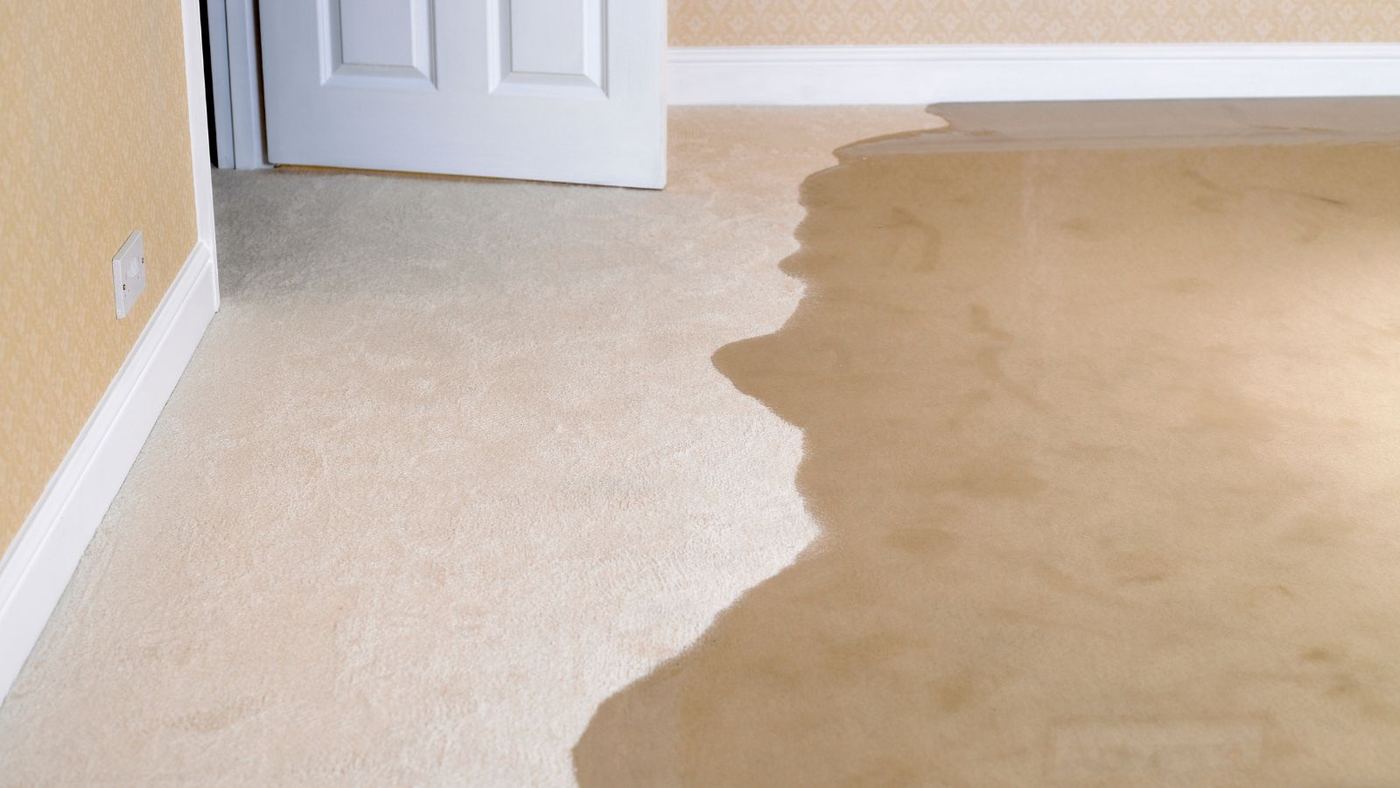
How carpet gets wet and why it stays wet
This page is about the material. Carpet takes in water from leaks, storms, overflows and backups, and the fibers feel dry long before the pad does. Pad acts like a sponge and holds water against the subfloor.
Whether carpet can be saved depends on two things: how clean the water was and how long it sat. Clean water caught quickly can often be extracted and dried in place. Contaminated water means the carpet and pad are usually removed. Aged water that sat for days often moves up a contamination category.
Save or remove
These are general guides, and readings decide each case.
| Situation | Usual outcome | Why |
|---|---|---|
| Clean water caught within a day. | Carpet often dried in place, pad often replaced. | Fibers can dry, and pad holds water. |
| Clean water that sat for days. | Carpet and pad often removed. | Odor and mold risk grows. |
| Greywater | Carpet may be cleaned, pad removed. | Contamination risk is moderate. |
| Sewage or flood water. | Carpet and pad removed. | Porous materials hold contamination. |
| Carpet over concrete. | Pad removed, slab dried. | Concrete holds moisture. |
First hour safety steps with wet carpet
Wet carpet hides electrical and slip risks.
- Turn off power to the room if water is near outlets or cords.
- Do not use a household vacuum on wet carpet.
- Keep children and pets off wet carpet.
- Lift furniture legs off the carpet, and place foil or blocks under them.
- Take photographs and call dispatch.
What the EPA says about drying
The EPA's mold guidance says to dry water-damaged materials within 24 to 48 hours to prevent mold growth, and that wet carpet and other porous materials that cannot be dried in that window may need to be discarded.
That window is why speed matters with carpet. It is also why a crew will often lift a corner to check the pad rather than guess.
How carpet restoration runs
The crew combines extraction, inspection and drying.
- Extract water. Truck-mounted or portable extractors pull water from the carpet and pad.
- Check the pad and subfloor. A corner is lifted, and meters check the pad, tack strip and subfloor.
- Decide save or remove. The source and the readings decide what is cleaned and what is discarded.
- Dry the room. Air movers and dehumidifiers run, with carpet lifted or floated where needed.
- Verify. Final readings confirm the carpet, pad and subfloor are dry before everything goes back.
Carpet wet and unsure what to do?
Call dispatch and describe where the water came from.
What changes the cost
Cost follows the area of wet carpet, the water category and whether the pad has to be replaced. Stairs, glued-down carpet and carpet over concrete add steps.
Price is explained on site after the pad and subfloor are checked.
Insurance and carpet
Carpet and pad are usually claimed with the rest of the loss. Sudden events are often covered, and slow leaks often are not. Keep photographs of the carpet before removal and ask your insurer what it needs.
In a rental, the landlord's policy and yours may both apply.
Mistakes to avoid
These choices lead to odor and mold.
- Keeping the pad because the carpet looks dry.
- Using only fans without extraction.
- Walking on wet carpet and spreading contamination.
- Covering wet carpet with rugs.
- Waiting several days to call.
Coverage and related pages
Wet carpet calls are handled across Culver City and in Marina del Rey. Use the service areas page to confirm your address.
For the room-level cleanup, see water damage cleanup. For standards, ANSI/IICRC S500 is a reference many companies follow.
Wet carpet questions from Culver City
Yes. The line never closes, and a crew can reach a wet carpet the same day when one is available.
Often, if the water was clean and it is caught fast. Contaminated water usually means removal.
Often yes, since pad holds water and is inexpensive to replace compared with the risk.
The EPA says to dry water-damaged materials within 24 to 48 hours to prevent mold.
You can, but it will not reach the pad and subfloor, so moisture readings are still needed.