How roof leaks reach the inside of a Culver City home
Los Angeles gets its rain in a short season, so a roof can go months without being tested and then take a hard downpour. The city's own storm notice from February 2024 warned of rain rates between half an inch and one inch an hour. Worn shingles, cracked flashing, tile that slipped and clogged gutters all give that water a way in.
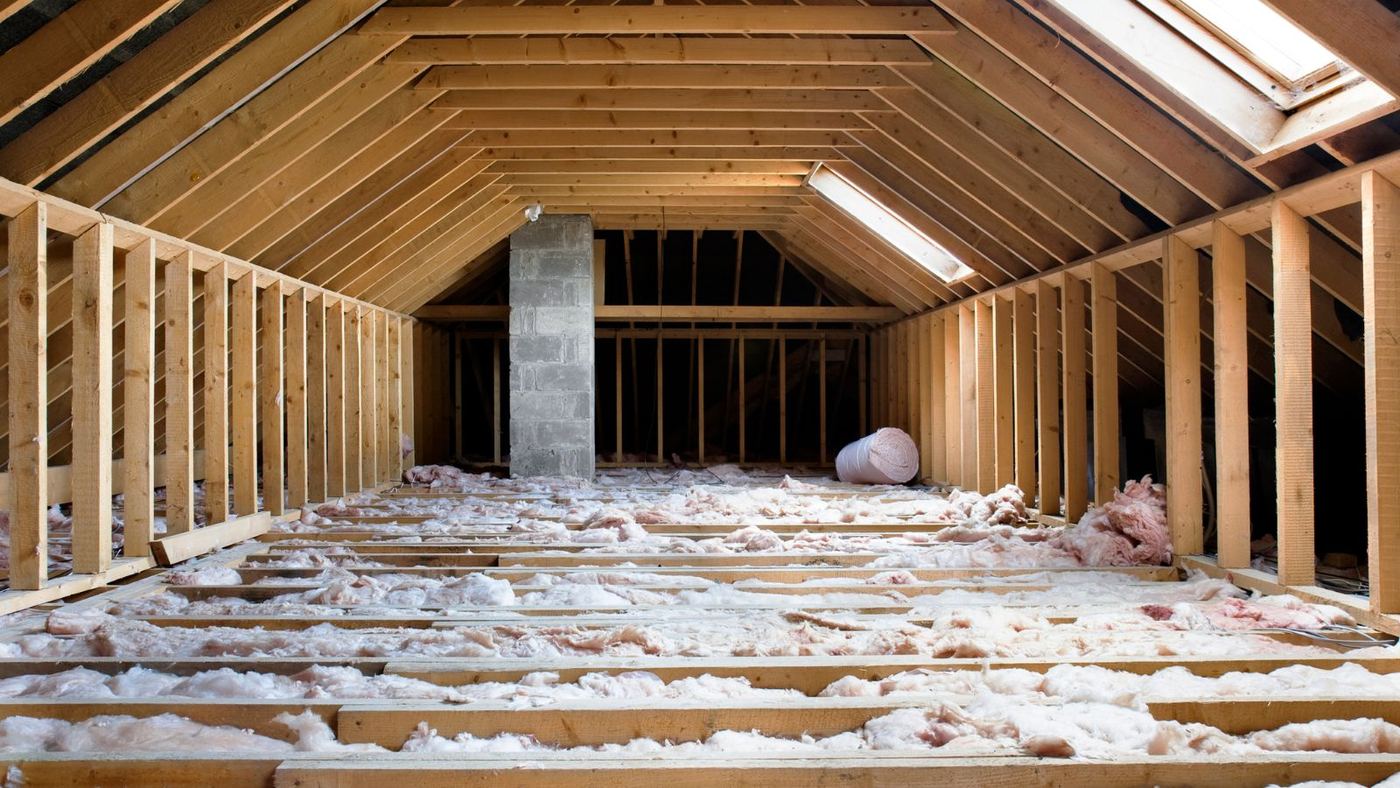
Water that enters at a roof valley or a chimney can run along rafters and drip into the house several feet from the opening. By the time a stain appears, the insulation above has often been wet for days.
Signs of a roof leak and where to look
Use these clues to describe the problem to dispatch and your roofer.
| Sign | What it suggests | What to do |
|---|---|---|
| Brown ring on the ceiling that grows after rain. | Water entering above and collecting in insulation. | Photograph it and place a bucket under drips. |
| Bubbling or peeling ceiling paint. | Moisture trapped behind the surface. | Do not puncture it unless water is pooling. |
| Damp smell in a closet or attic. | Wet insulation or framing. | Call for a moisture check. |
| Water stains around a vent or chimney. | Failed flashing near the opening. | Tell the roofer where the stain is. |
| Drips from a light fixture. | Water traveling down a wiring path. | Turn off the circuit and stay clear. |
First hour safety steps during a roof leak
Keep people and wiring away from falling water.
- Do not climb onto a wet roof, because a fall is a bigger danger than the leak.
- Turn off power to rooms with dripping ceilings or wet light fixtures.
- Move furniture and electronics away from the stain.
- Poke a small hole only if a ceiling bulge is holding water, and catch it in a bucket.
- Call a roofer for the opening and call dispatch for the water.
Roof work and what the city says
The Building Safety Division's published permit list names re-roofing as work that needs a permit. The list is partial, so confirm your repair with the division at (310) 253-5800 before work starts. Ask your roofer to explain which category the job falls into.
The Culver City Fire Department's storm page also advises having a licensed roofing contractor inspect and repair or replace worn roofing before the rainy season. That advice fits a roof that has leaked once and is likely to leak again.
How the cleanup runs after a roof leak
The aim is to find every wet layer between the roof and the room.
- Assess the path. The crew follows the stain upward, checks the attic when it is safe and photographs each wet area.
- Remove wet insulation and drywall. Soaked insulation and sagging ceiling board are cut out so framing can dry.
- Map moisture. Moisture meters and a thermal camera check walls below the ceiling where water ran down.
- Dry the structure. Air movers and dehumidifiers run until the framing and remaining board read dry.
- Hand off the rebuild. Once dry, the ceiling can be patched. See water damage repair for how rebuild scope is set.
Ceiling already stained from a leak?
Call the 24/7 line and describe the stain.
What changes the cost of roof leak cleanup
The cost follows how much material was wet, not how big the hole in the roof was. A small opening that fed insulation for several storms can cost more to clean than a large one caught the same night.
Other factors are ceiling height, whether insulation is blown or batted, how many rooms the water reached and how much drywall is removed. Scope and price are explained on site before work begins.
Insurance and roof leaks
Insurers often separate sudden storm damage from long-term wear. A roof that failed during a storm is treated differently from one that leaked slowly because of age. Read your policy and ask your insurer how it classifies the cause.
Photograph the damage, save the roofer's report and keep moisture readings from the drying crew. Flood coverage does not apply to rain that comes through a roof in the way it applies to rising water outside, so ask which part of your policy responds.
Mistakes to avoid and prevention
Most roof leak repeats come from the same few habits.
- Painting over a ceiling stain before the source is found and the framing is dry.
- Leaving wet insulation in place because the ceiling looks dry.
- Using a tarp without asking a roofer how to secure it.
- Skipping a gutter and downspout check before the rainy season.
- Ignoring a small stain that returns after each storm.
Coverage and where to read more
Crews reach every Culver City neighborhood and drive to Marina del Rey for coastal calls, where wind-driven rain finds different weak points. Check the service areas page to confirm your address.
Water work is commonly guided by ANSI/IICRC S500, and you can ask any company whether its crews follow it. If the ceiling and walls have been opened, water mitigation explains how drying is monitored.
Roof leak questions from Culver City homeowners
Yes. The dispatch line stays open around the clock, and a crew is sent the same day when one is available. We handle the water, insulation and ceiling, and a roofer handles the opening.
No. A roofer repairs or replaces roofing. We remove wet material, dry the structure and rebuild interior damage.
A wet roof is dangerous. Ask a roofer to tarp it, and keep your own work inside the house.
As soon as possible. Wet insulation holds water against framing, and the EPA advises drying water-damaged areas within 24 to 48 hours.
The Building Safety Division's published list says re-roofing needs one. Call (310) 253-5800 to confirm your job.